Hairline Lowering (Scalp Advancement)
Hairline lowering gently brings the hairline forward to shorten and soften a tall forehead. The result is a rounder, more feminine frame for your whole face.
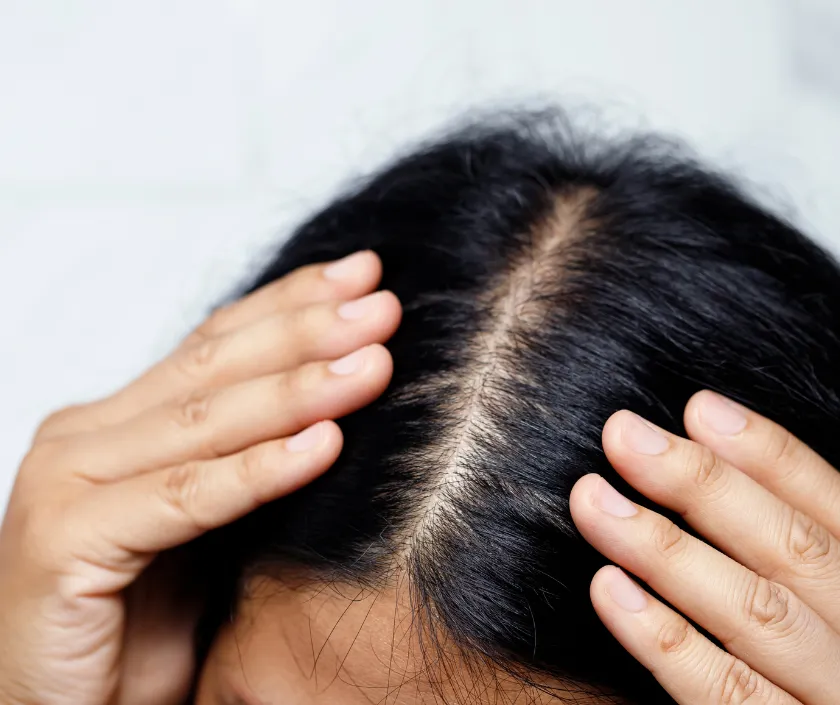
A tall forehead can make the whole face look harder, and many trans women feel it keenly. The upper face sets the tone for everything below, so a high hairline often reads as masculine. Surgery can bring that hairline forward and round its shape. At Elegance Transgender Clinic in Surat, Dr. Ashutosh Shah uses careful scalp advancement to give the face a softer, more feminine frame.
This page explains hairline lowering in plain words: what the surgery does, how it works, and what to expect. It also compares it honestly with a hair transplant, so you can choose with a clear head.
Key Takeaways
- Hairline lowering moves the hairline forward to shorten a tall forehead.
- The method advances your own scalp, so new hair grows naturally.
- It suits trans women who want a rounder, softer, more feminine hairline.
- Recovery is usually quick, with most swelling settling within two weeks.
- Cost depends on your case, so a private consultation gives the clearest answer.
- Dr. Ashutosh Shah brings 22 plus years of plastic surgery experience to every case.
Hairline lowering: surgery that brings the hairline forward to shorten and round the forehead.
What is hairline lowering surgery?
Hairline lowering moves your hairline forward, which shortens the forehead and makes it look rounder. The surgeon frees a flap of hair bearing scalp and advances it toward the brow. The forehead shrinks, and the face reads as more balanced and feminine.
Because the surgery uses your own scalp, the new hairline has real, growing hair. The front edge looks completely natural once healing finishes, and the change is permanent, so the softer shape stays for life.
How does the scalp advancement method work?
Scalp advancement loosens the hair bearing skin so it can slide forward into a lower position. The surgeon first plans the new hairline to suit your face, then frees the scalp, moves it down, and secures it with fine stitches near the hairline.
When lowering the hairline, the cut sits right at the hair edge. The small scar then hides among the hairs as they grow through and over it. Many patients find the line nearly invisible within a few months.
A planned, personal approach
Every face is different, so the plan is always personal. Dr. Ashutosh Shah measures your forehead, checks how loose your scalp is, and listens to your goals. He marks a curved, feminine shape rather than a flat, masculine one. That planning step is exactly why hairline feminization looks so right for each person.
How does it compare with a hair transplant?
Scalp advancement surgery and a hair transplant both improve the hairline, but they work in very different ways. Advancement moves a whole sheet of existing hair forward in one operation. A transplant places individual grafts to fill or rebuild the front edge over time.
A simple way to think about the choice:
- Forehead reduction hairline goal: advancement shortens the forehead quickly, lowering the whole front in one step.
- Density and natural growth: advancement keeps your existing thick hair, so density stays strong from day one.
- Shaping fine detail: a transplant can soften corners or add hair where the scalp is too tight to move.
- Combined plan: sometimes both are used together for the best feminine result.
At your visit we explain which path, or which mix, fits your scalp and your wishes. You can also read more in our guide to hair transplant options for transgender patients.
Who is a good candidate for hairline feminization?
The right candidate is a trans woman with a tall forehead and a reasonably loose scalp. A flexible scalp lets the surgeon move the hairline forward safely. Healthy hair at the front usually gives the smoothest, most natural result.
A tight scalp or thin front hair does not always rule you out. The surgery can be staged, or paired with grafts later. The only way to know what suits you is a careful examination, so an in person assessment is always the first step.
What are the benefits of lowering the hairline?
The main benefit is a shorter, rounder forehead that frames the face more softly. The change also supports many other feminine features at once. Patients often tell us their reflection finally matches how they feel.
- The upper face looks shorter and more in proportion.
- A curved hairline replaces a straight, masculine front edge.
- Your own natural hair grows along the new line.
- Hairstyles become easier with more hair at the front.
- The result blends well with brow or forehead work.
If you also want a smoother brow, this surgery pairs nicely with brow bone reduction and contouring for a complete upper face change. Browse all our facial transformation services to see how the pieces fit.
What can you expect on the day?
Your face is marked, and anaesthesia keeps you comfortable throughout. The surgery usually runs a few hours, depending on how much movement your scalp allows. A light dressing then protects the area while early healing begins.
Most patients go home the same day or after a short stay. We hand over clear written aftercare notes so nothing feels confusing, and our Surat team stays easy to reach if a question comes up later.
What results are realistic?
A realistic result is a hairline that sits lower, looks rounder, and grows natural hair. The new shape is visible right away, while the final softness appears as swelling fades and the hair settles. Most people see their true result within several months.
We never promise a single fixed amount of lowering. How far the hairline can move depends on your scalp. During planning, Dr. Ashutosh Shah shows you a goal that is realistic and achievable, not an inflated one.
What is recovery like?
Recovery is generally smooth, with most swelling and bruising settling within about two weeks. The forehead can feel tight at first, and that eases steadily. Light daily activity is usually fine within a few days, while harder exercise waits a little longer.
Stitches near the hairline are removed or dissolve as guided. The front edge may look slightly pink before it calms down. A little patience in these early weeks rewards you with a soft, settled result.
How much does hairline lowering cost?
There is no single fixed price, because every case is different. Cost depends on how much movement your scalp needs, whether grafts are added, and the details of your plan. We share a clear, personal estimate only after examining you.
Choosing surgery in Surat at Elegance Transgender Clinic means skilled care close to home for many patients across Gujarat. At your consultation we explain the full plan so you know exactly what your estimate covers, including any wider treatment programs you may be considering.
Common myths about hairline lowering
A few myths make people nervous, so here they are, cleared up.
- Myth: the scar will always show. The line sits at the hair edge, and hair grows through it to hide it.
- Myth: the hair is fake. The new hairline uses your own living, growing hair.
- Myth: results look harsh. Curved planning creates a soft, feminine shape.
- Myth: recovery takes months off work. Most patients return to gentle routines within days.
Aftercare that protects your result
Careful aftercare keeps the new hairline healing well and looking its best. We guide you through every step and check your progress along the way. A few simple habits make a real difference in the first weeks.
- Keep the area clean and follow the washing advice we give you.
- Sleep with your head slightly raised to help swelling settle.
- Avoid heavy lifting and intense exercise until you are cleared.
- Protect the healing line from strong sun for a few months.
- Come to your follow up visits so we can track healing closely.
Why patients choose Elegance Transgender Clinic
Patients choose Elegance Transgender Clinic because they feel safe, respected, and genuinely understood here. Dr. Ashutosh Shah holds an M.S., M.Ch. in Plastic Surgery and DNB, with 22 plus years of experience. Our centres in Adajan and Vesu put trusted care within reach across Surat and Gujarat.
Skill is only part of it. We care about how the whole experience feels. We work to the recognised WPATH standards of care so your treatment stays safe and ethical. For more reading before you decide, see our patient education resources.
Book a private consultation in Surat
If a tall forehead has bothered you for years, a softer hairline may be closer than you think. We would be glad to listen, examine the scalp, and explain what is possible for you. Please contact our Surat team to arrange a private, judgement free consultation.
More Forehead & Brow care
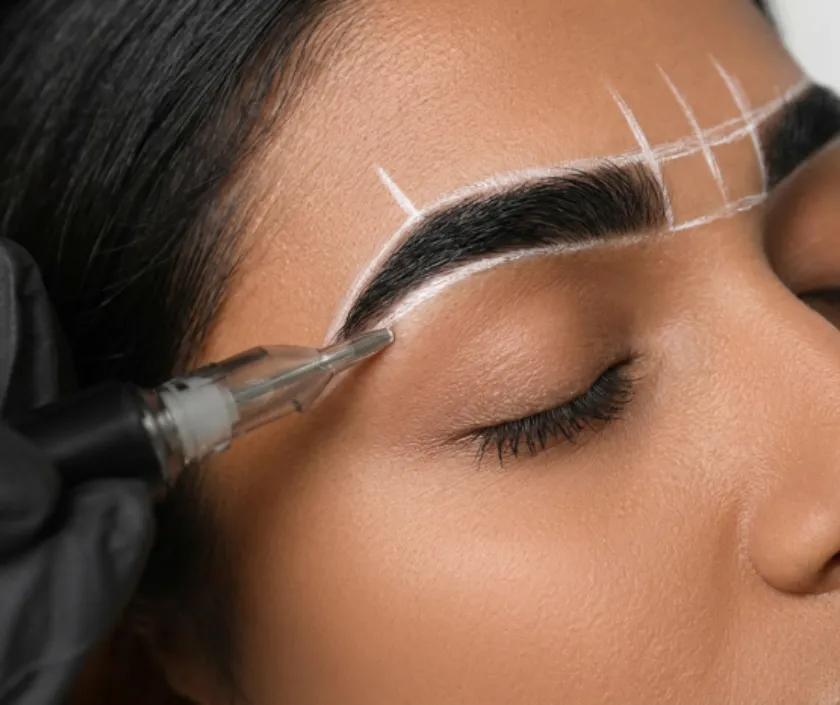 Brow Bone Reduction & ContouringBrow bone reduction softens a heavy ridge above the eyes for a smoother, more fe...Read more
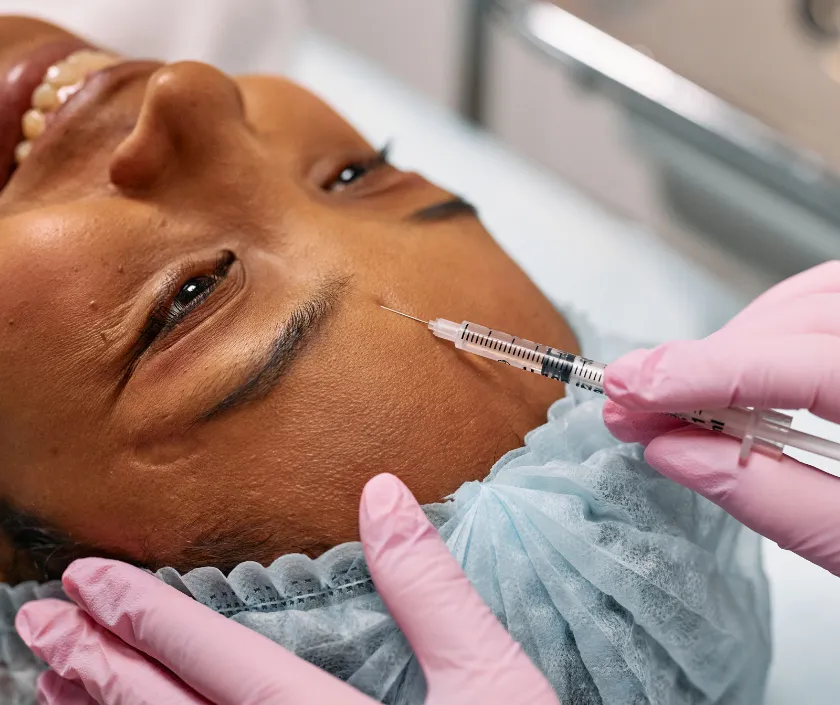 Forehead Recontouring (Type III Cranioplasty)Forehead recontouring reshapes the brow bone for a softer, more feminine curve....Read more
 Brow Lift for FeminizationA brow lift for feminization gently raises and arches the brow, opening the eye...Read more
Ready when you are
Talk to our team in Surat about hairline lowering (scalp advancement). We listen first, explain your options clearly, and never pressure you to decide.