Top Surgery Techniques Explained, Double Incision, Keyhole and Periareolar
A clear, friendly guide to the main top surgery techniques, double incision, keyhole and periareolar, so you can understand scarring, nipple grafts, results and recovery before choosing your path.
Chest surgery is a big step, and you deserve plain facts before you commit to one. Top surgery means reshaping the chest into a flatter, more masculine or gender neutral shape. No two chests are alike, so surgeons keep several proven methods in their toolkit. Here we explain the main top surgery techniques in plain words, so you can decide from a place of calm rather than guesswork.
At Elegance Transgender Clinic in Surat, we believe good choices begin with real understanding. This guide walks through double incision, keyhole and periareolar surgery, who each one suits, and what scars and healing actually look like. Start with the points that matter most.
Key Takeaways
- The three main top surgery techniques are double incision, keyhole and periareolar (also called peri).
- Double incision suits larger chests and gives the flattest result, though it leaves two horizontal scars.
- Keyhole and periareolar work best for smaller chests with good skin elasticity and minimal sagging.
- Nipple grafts are common in double incision, while keyhole and peri usually keep the nipple attached.
- Most people return to light daily life within two weeks, but full healing takes several months.
- Your chest size, skin quality and goals decide which method fits you best, not a single fixed rule.
Top surgery: a chest operation that removes breast tissue and reshapes the skin to create a flatter, more masculine or gender neutral chest.
What are the main top surgery techniques?
The main top surgery techniques are double incision, keyhole and periareolar. Each one removes breast tissue, yet they differ in where the cuts go, how the nipple is handled, and the scars left behind. Surgeons match the technique to your chest size, skin stretch and personal goals, so the best option genuinely shifts from person to person.
Treat these methods as different tools for different chests. A small, firm chest calls for a gentle approach with hidden scars. A larger chest needs more skin removed and a flatter finish. The FTM chest surgery you receive should be planned around your body, never chosen out of habit. At your visit we examine your skin and tissue, then explain which routes genuinely make sense for you.
Double incision top surgery
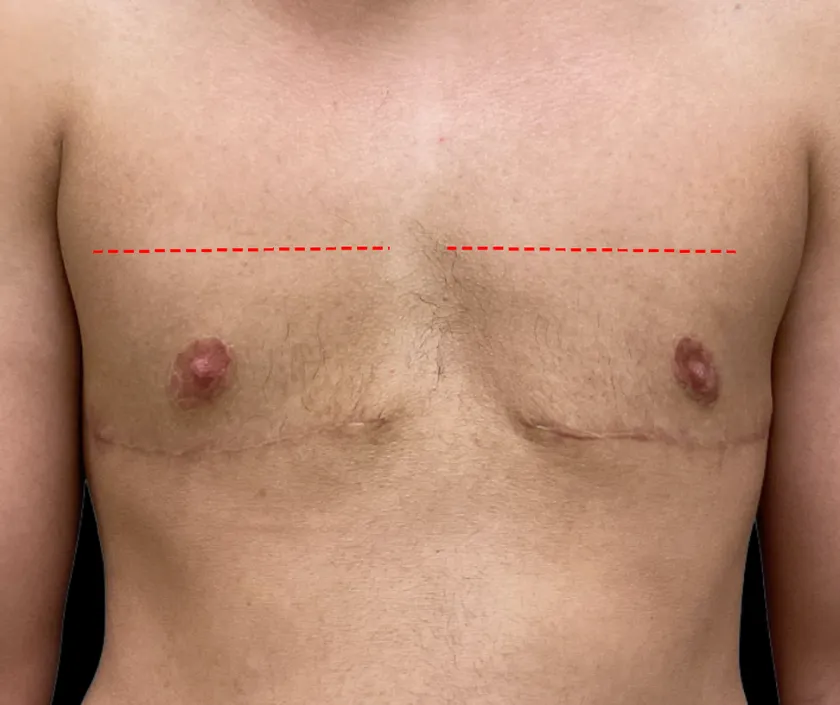
Double incision is the most widely used technique, especially for medium and larger chests. The surgeon makes two cuts, usually along the lower chest, removes breast tissue, and trims away extra skin. The nipples are then often resized and placed back as grafts in a natural male position.
This method delivers the flattest, most reliable result, which is why so many people pick it. The trade is two horizontal scars across the chest. Most fade over time and sit low enough that shirts and everyday clothing cover them easily. Good scar care, which we walk you through, helps them soften and lighten further.
Who suits double incision
- People with larger chests or more breast tissue to remove.
- Those with looser or less elastic skin that will not shrink on its own.
- Anyone whose main goal is the flattest possible contour.
Nipple grafts in double incision
Here the nipple is usually removed, made smaller, and grafted back onto the new chest. Since the graft heals as a skin transfer, some loss of sensation can follow. Even so, the position and size look very natural, and many people are delighted with the masculine shape it creates. Our dedicated page on double incision top surgery covers the technique in more depth.
Keyhole top surgery
Keyhole is a smaller, scar light option for the right candidate. The surgeon makes a tiny cut along the lower edge of the areola, the darker skin around the nipple. Breast tissue comes out through that small opening with careful technique, and the nipple stays attached to the body.
Because the nipple is never detached, sensation is often preserved better than with grafts. Scarring stays minimal and tucks around the areola edge. Keyhole only works, though, when there is little tissue and the skin is firm enough to bounce back, so it suits a narrow group rather than everyone.
Who suits keyhole top surgery
- People with very small chests and minimal breast tissue.
- Those with firm, elastic skin and little to no sagging.
- Anyone hoping to keep nipple sensation and avoid large scars.
Periareolar top surgery
Periareolar surgery, often shortened to peri, sits between keyhole and double incision. The surgeon cuts around the edge of the areola, sometimes adding a second wider circle to remove extra skin. Tissue comes out through this circular opening, and the skin is then drawn tight toward the centre.
Since the cuts follow the natural areola border, scars blend well and stay fairly hidden. The technique also lets the nipple stay attached in many cases, which helps sensation. Peri suits small to moderate chests, though, and a very flat result is harder to guarantee when there is more tissue. A small revision sometimes sharpens the final shape.
Who suits periareolar surgery
- People with small to moderate chests and decent skin elasticity.
- Those who want hidden scars set around the areola.
- Anyone open to a possible minor touch up for the best contour.
How do I know which top surgery technique is right for me?
The right top surgery technique depends on your chest size, skin elasticity, tissue amount and personal goals. Smaller, firmer chests often suit keyhole or periareolar, while larger chests usually need double incision for a flat result. A proper in person exam gives the clearest, safest answer for your body.
At a consultation, we measure your chest, test how your skin stretches, and listen to what matters most to you. Some people prize the flattest finish. Others put nipple sensation or the smallest scars first. These goals can pull in different directions, so an honest discussion helps you weigh the trade offs. You can read more about our full body transformation services and surgical options to see how chest surgery fits a wider plan.
Surgical care also follows recognised global guidance, including the WPATH standards of care, which keeps your journey safe and respectful. Still mapping your timeline? Our transition support team can help you sequence each step calmly, including when to plan chest surgery around hormone therapy.
What does recovery from top surgery look like?
Recovery from top surgery usually means rest for the first two weeks, a snug compression vest, and small surgical drains that come out within days. Most people handle light daily tasks quickly, while saving lifting, gym work and heavy arm movement for about six weeks as tissues settle.
Healing arrives in stages, so patience earns its keep. Early on, swelling and bruising are normal, and gentle movement keeps you comfortable. As the weeks pass, the chest softens and the shape settles. These are the usual pieces of a smooth recovery.
- Compression vest: worn for several weeks to reduce swelling and support the new shape.
- Drains: thin tubes that clear extra fluid, usually removed within a few days.
- Scar care: creams, gentle massage and sun protection help scars fade.
- Gradual activity: walking early, then a slow return to exercise after about six weeks.
Emotional support counts as much as physical care, so we stay close throughout. Our team in Surat checks your progress and answers worries fast. You can also explore our wider transition programs and aftercare services for help that reaches well beyond the operating room.
Scarring and results over time
Scars come with every surgical method, yet they change dramatically as the months pass. Fresh scars often look pink or raised, then usually flatten and lighten over six to twelve months. Double incision leaves the most visible lines, while keyhole and periareolar tuck scars around the areola.
Genetics, skin tone and aftercare all shape how scars settle, so sticking to your scar care plan makes a real difference. With time and good support, most people feel proud of a chest that finally matches who they are. Many describe a deep sense of relief once the shape settles and daily life feels lighter.
Why choose Elegance Transgender Clinic in Surat
Top surgery is personal, so it deserves a caring, skilled team. At Elegance Transgender Clinic, Dr. Ashutosh Shah brings more than twenty two years of plastic surgery experience to every chest. With centres in Adajan and Vesu, our Surat clinic runs as a complete transgender surgical and aesthetic transformation centre under one roof.
Beyond technique, we hold to dignity, privacy and straight answers. Trust grows through honesty, so we explain each option plainly and never rush your decision. From first chat to final review, you stay supported at every step.
Take the next step with confidence
You do not have to figure this out alone, and you do not have to decide today. For a private, judgement free conversation about your chest and the best technique for you, reach out. Book a confidential consultation at Elegance Transgender Clinic in Surat through our contact page to plan your consultation, and let us help you move forward at your own pace.