
Gender Change Chest Surgery: The FTM Top Surgery Keyhole Method Explained
Gender change chest surgery, medically called FTM top surgery, removes breast tissue to create a flat, masculine chest. The keyhole method is a minimal-scar option for people with a small chest and good skin elasticity, removing tissue through a small incision at the areola while keeping the nipple attached.
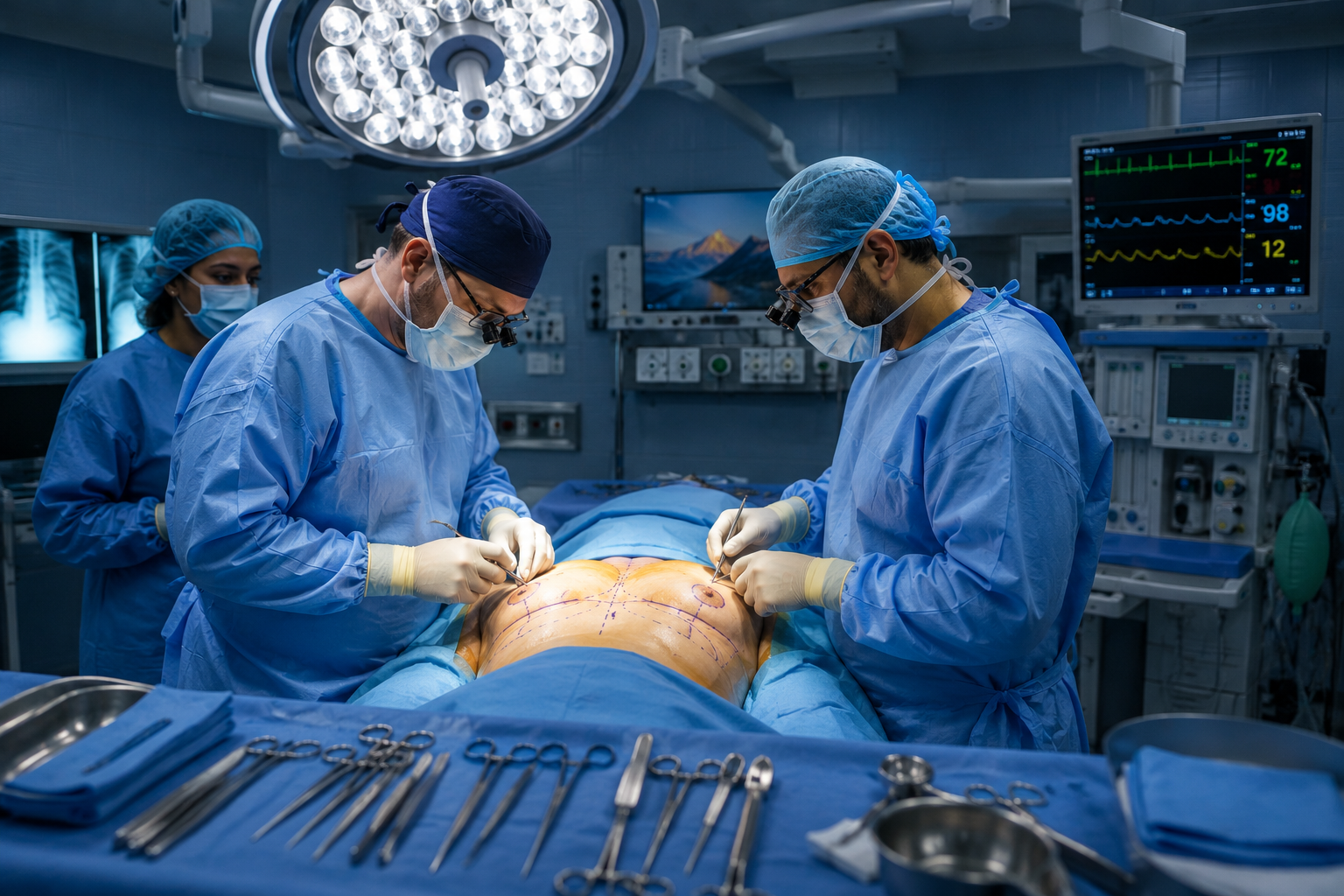
Gender Change Chest Surgery: The FTM Top Surgery Keyhole Method Explained
Gender change chest surgery, medically called FTM top surgery, removes breast tissue to create a flat, masculine chest. The keyhole method is a minimal-scar option for people with a small chest and good skin elasticity, removing tissue through a small incision at the areola while keeping the nipple attached.
Top surgery is often the first and most affirming step in a transmasculine transition. This guide explains what chest surgery involves, how the keyhole method works, who it suits, and how it compares with other techniques, so you can decide with clear information. https://youtu.be/KlOxN9dLs14
What is gender change chest surgery (FTM top surgery)?
Gender change chest surgery, more accurately called FTM top surgery or chest masculinization, is a gender-affirming procedure that removes breast tissue and contours the chest to create a flat, masculine appearance. For many trans men and transmasculine people, it is the single most important step in feeling at home in their body.
The surgery may also reposition or resize the nipple and areola, depending on the technique used. It is part of body transformation care at Elegance Transgender Clinic.
What is the keyhole method in top surgery?
The keyhole method is a minimal-scar top surgery technique in which breast tissue is removed through a small incision made along the lower edge of the areola. The nipple stays attached to its own blood and nerve supply, so it is never removed and re-grafted.
Because the incision hides in the natural border of the areola, scarring is minimal and often barely noticeable once healed. This is why the keyhole method is the most requested option among those who qualify for it.
Who is a good candidate for keyhole top surgery?
Keyhole top surgery suits a specific group, and honest assessment matters more than preference here. The technique works only when there is a small amount of tissue and the skin can retract on its own.
- A small chest, usually an A cup or small B.
- Good skin elasticity, so skin tightens naturally after tissue removal.
- Little or no sagging of the chest or nipple.
- A small areola that does not need resizing.
- Good general health and realistic expectations.
If these do not apply, a periareolar or double incision technique will usually give a better, flatter result, which your surgeon will explain honestly.
How is keyhole top surgery performed?
Keyhole top surgery is done under general anaesthesia and usually takes one to two hours. The surgeon makes a small incision at the lower border of the areola, removes the breast tissue through it, and contours the chest, often using liposuction to smooth the edges.
Because the nipple remains attached, its sensation is usually preserved, which is a significant advantage of this method. Most patients go home the same day or after a short stay, wearing a compression binder.
Keyhole vs periareolar vs double incision: which is right?
The right technique depends on your chest size, skin elasticity, and how much the nipple needs repositioning. The table below compares the three main options.
| Technique | Best for | Scarring & nipple |
|---|---|---|
| Keyhole | Small chest, good skin elasticity, no sagging | Minimal scar at areola edge; nipple stays attached, sensation usually preserved |
| Periareolar | Small to moderate chest, mild sagging, areola needs reducing | Circular scar around the areola; nipple stays attached |
| Double incision | Medium to large chest, loose skin, significant sagging | Horizontal chest scars; nipple usually resized as a free graft |
You can read a fuller comparison in the clinic's guide to top surgery techniques, or explore double incision top surgery if that suits your chest better.
What are the advantages of the keyhole method?
The main advantage of keyhole top surgery is a flat chest with almost no visible scarring and preserved nipple sensation. For suitable candidates, it offers the most natural-looking outcome of all the techniques.
- Minimal, well-hidden scarring at the areola border.
- Nipple sensation is usually preserved, as it is never detached.
- No nipple grafts, so colour and texture stay natural.
- Shorter operating time and generally quicker recovery.
What are the limitations and risks?
The keyhole method is not suitable for everyone, and choosing it when the chest is too large or the skin too loose leads to a poor result. In those cases the skin cannot retract, leaving unevenness or residual fullness.
As with any surgery, risks include bleeding or haematoma, infection, asymmetry, contour irregularity, changes in nipple sensation, and the possibility of needing a revision or further contouring later. An expert surgeon reduces these risks through careful candidate selection and technique.
What is recovery like after keyhole top surgery?
Recovery from keyhole top surgery is usually quicker than other techniques. Most people return to desk work or study within one to two weeks, wearing a compression binder for around four to six weeks.
Heavy lifting, gym work, and vigorous exercise are avoided for about six weeks. Swelling settles over the following weeks, and the final chest contour becomes clear over several months. Your team provides written aftercare and follow-up throughout.
Does top surgery improve wellbeing?
Yes. Alongside the physical change, top surgery is consistently associated with significant improvements in comfort, confidence, and quality of life for transmasculine people. Many describe relief from chest dysphoria as the biggest benefit.
This is supported by published evidence: a single-centre study on self-reported satisfaction after gender-affirming top surgery (NCBI) reported high satisfaction among patients, with nipple appearance and position being key drivers of how happy people were with their result.
How much does FTM top surgery cost in India?
The cost of FTM top surgery in India depends on the technique used, the complexity of your chest, the hospital, and anaesthesia, so an exact price is given after consultation. Keyhole surgery is often shorter than double incision, which can affect the total.
At your consultation, the team explains the recommended technique with a clear, itemised cost, including any no-cost EMI options, so you can plan without surprises.
Where can you find an expert top surgery surgeon near you?
Expert FTM top surgery is available at Elegance Transgender Clinic in Surat, with centres in Adajan and Vesu and patients travelling from across India and abroad. Many people search for a top surgery surgeon near me, then travel for the right expertise and an affirming, respectful team.
Because technique selection decides the result, choose a surgeon with plastic surgery qualifications and genuine experience in chest masculinization. Private virtual consultations are available before you travel, and you can read the clinic's LGBTQ+ commitment to know what to expect.
Top surgery at Elegance Transgender Clinic, Surat
At Elegance Transgender Clinic, top surgery is led by Dr. Ashutosh Shah, M.S., M.Ch (Plastic Surgery), with over 22 years of experience and a trans-inclusive, pronoun-aware team. Each consultation begins with a private conversation, and the technique is chosen honestly for your chest rather than sold to you. Care includes mental health, hormone guidance and aftercare, with complete confidentiality and sealed records.
Book a private, affirming consultation
If you are considering chest surgery, a private conversation is the best first step, with no pressure and no judgement. Book a confidential consultation at Elegance Transgender Clinic, Surat, or message the team on WhatsApp to ask anything you need.
This article is for general education only and is not a substitute for professional medical advice, diagnosis, or treatment. Results vary between individuals and all surgery carries some risk. Please consult a qualified gender-affirming surgeon about your individual case.