Non Surgical Transition Education
A warm, plain language guide to fillers, laser hair removal, skincare on HRT, and hair transplant choices that support facial feminization for trans patients in Surat.
Key Takeaways
- Non surgical options like fillers can soften facial features, and they offer a low commitment way to begin facial feminization.
- Laser hair removal usually needs several sessions, because hair grows in cycles and only some follicles respond at a time.
- Skincare often changes on HRT, so a simple, steady routine helps your skin adjust.
- Hair transplant techniques can rebuild a feminine hairline or restore thinning areas, and modern methods leave minimal marks.
- At Elegance Transgender Clinic in Surat, every plan is personal, unhurried, and shaped around your goals.
How can fillers help with early facial feminization?
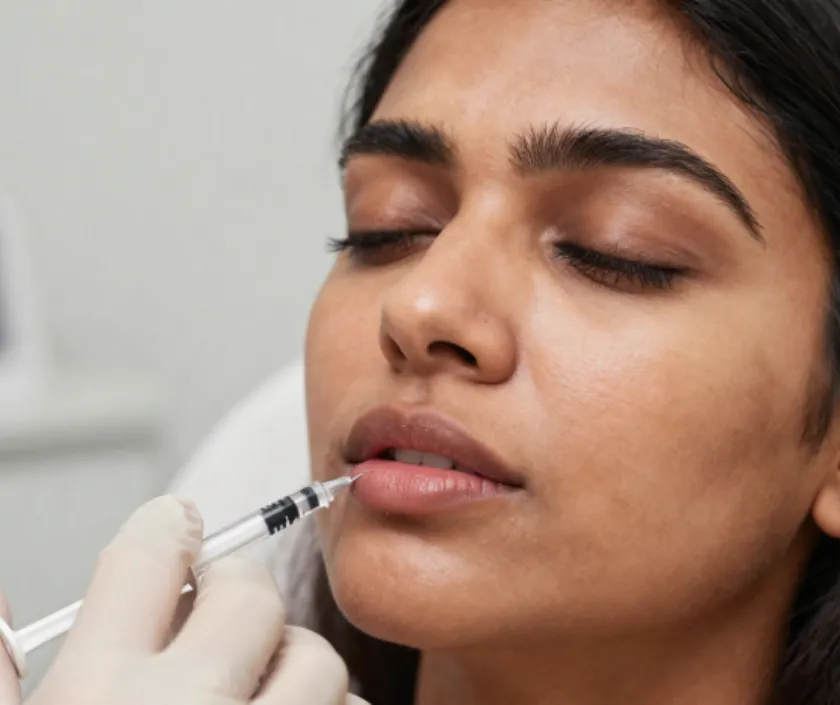
Fillers add soft volume to chosen areas, so the face can look rounder, smoother, and more balanced. They are non surgical, so results appear quickly with no downtime. Many people choose fillers as a first step toward facial feminization, especially when they want to explore changes slowly.
Fillers work by placing a smooth gel, often hyaluronic acid, just beneath the skin, so flat or angular areas gain a softer curve. Cheeks can look fuller, lips can appear plumper, and a strong jaw can read as less sharp. In many cases the changes are reversible, which reassures anyone who feels unsure at the start.
Dermal fillers: injectable gels, usually hyaluronic acid based, that add temporary volume and shape to areas of the face without surgery.
Fillers also pair well with other treatments later on. Some patients begin here, then move toward more lasting options once they feel confident, so we treat fillers as part of a wider plan rather than a single fix. To see your options, visit our aesthetic and non surgical page, and the dermal fillers page goes into detail.
Common areas for early facial feminization include the cheeks, lips, temples, and chin. Each face is different, so we tailor rather than follow a formula. During your visit we look at your features as a whole, then suggest small, balanced changes. Restrained work usually reads as more feminine than heavy work, so less tends to give the better result.
Are filler results permanent?
No, most fillers fade over months as the body absorbs them. You can return for top ups when you want to keep the look. That temporary nature is often welcome, since it lets you adjust your appearance over time rather than committing all at once.
Is the treatment quick and comfortable?
A filler appointment usually takes under an hour, so it fits into a busy day. Numbing cream and fine technique mean most people feel only mild pressure. You can return to normal life straight away, though slight swelling may settle over a few days.
Laser hair removal for trans women, how many sessions?
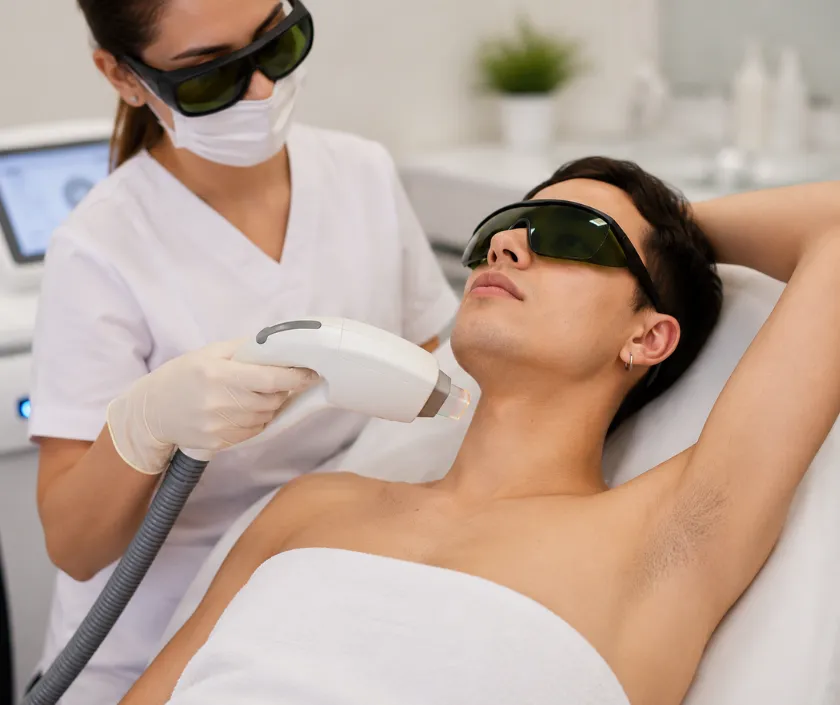
Most trans women need roughly six to ten sessions for clear, lasting results, though this varies. Hair grows in cycles, so only the actively growing hairs respond to each treatment. Several visits, spaced a few weeks apart, reach the follicles at the right stage.
Facial and body hair can be a real source of distress, which is why laser hair removal matters to so many patients. The laser targets the pigment in each hair and weakens the follicle, so treated hair grows back thinner and slower until much of it stops returning. Hair colour, skin tone, and hormone levels all shape the final outcome. The laser hair removal page covers the process fully.
In Surat, a warm climate and busy daily life mean many patients want a routine that fits around work and family, so we plan sessions at a relaxed rhythm and never rush you. We also explain aftercare clearly, since protecting the skin between visits keeps results strong.
Between appointments, smoothness improves as treated hairs shed and growth slows. Shaving stays fine, but waxing and plucking are best avoided, because they remove the root the laser needs to target. Following simple guidance between visits makes each session count and gets you to your goal sooner.
Does laser hair removal hurt?
Many people describe a quick warm snap with each pulse rather than sharp pain. Sensitivity differs, but cooling tools and short sessions keep most patients comfortable. The small discomfort fades fast once a session ends, and most find it very manageable.
Who should avoid laser treatment?
Some skin and hair combinations respond less well, and certain medicines raise sensitivity, so a short consultation matters before starting. We check your skin, your goals, and your history, so the plan stays safe and realistic for you.
Skincare on HRT, what changes and what helps?
Hormones change how your skin behaves, so oiliness, dryness, and sensitivity may all shift over time. A simple, steady routine helps your skin settle. Gentle cleansing, daily moisturiser, and sunscreen form a strong, easy foundation.
For trans women on oestrogen, skin often becomes softer and sometimes drier, so richer moisturisers feel soothing. Trans men on testosterone may notice more oil and occasional breakouts, so lighter products and gentle cleansing help. Either way, skin usually needs several weeks to adjust to new hormone levels, so patience matters.
Sun protection deserves special attention under the bright Surat sun. Daily sunscreen guards against pigmentation and keeps treated skin calm, which matters if you also have laser sessions. Drinking enough water and sleeping well support skin from the inside, and many people overlook both.
A few habits make a real difference over time:
- Cleanse twice daily with a mild, fragrance free wash, so your skin stays balanced.
- Moisturise while skin is slightly damp, because this locks in hydration.
- Apply broad spectrum sunscreen every morning, even on cloudy or indoor days.
- Introduce any new product slowly, then watch how your skin responds.
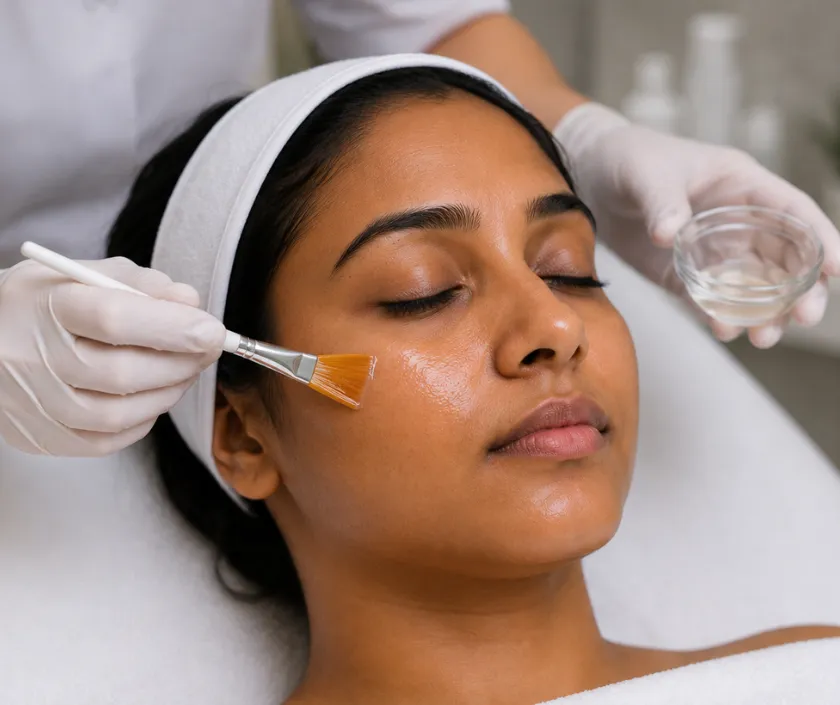
Consistency matters more than expensive products. Skin on hormones can feel changeable, so a predictable routine steadies it, and many patients find their complexion grows clearer and brighter over a few months. Our chemical peels page covers another option for skin texture and tone.
For trusted general advice on hormone therapy and wellbeing, you may also read NHS guidance alongside the personal plan we create for you.
Can I use active ingredients like retinol?
Yes, though timing and strength matter, so introduce strong actives slowly. Skin on HRT can be more reactive, so starting low and building up prevents irritation. We also suggest spacing actives away from laser sessions, since the combined stress can leave skin tender.
What hair transplant options exist for trans patients?
Hair transplant methods can lower a high hairline, rebuild a softer shape, or restore thinning areas, and they suit many transition goals. Techniques have advanced, so modern transplants leave very small marks and look natural. They offer a lasting choice once you feel ready for a more permanent step. See our hairline restoration page for the full picture.
Two main approaches lead the way. Follicular unit extraction takes individual follicles and moves them, leaving tiny dots rather than a long line. Follicular unit transplantation moves a small strip of skin, then divides it into grafts. Both aim for a hairline that frames the face the way you want, and the right choice depends on your hair, your goals, and your scalp.
For trans women, a rounded and slightly lower hairline often reads as more feminine, so the surgeon plans placement carefully. Trans men may want fuller density or beard restoration, which the same techniques support. Either way, results grow in over many months, and the final look is truly your own.
Planning matters as much as technique. Before anything begins, we study your facial shape, your hair quality, and your wishes, so the design suits you alone. Recovery is usually mild, with minor tenderness that settles within days. Aftercare guides healing, so we walk you through each detail and stay available for questions afterward.
Is the transplant result natural looking?
Yes, modern grafting follows the natural angle and direction of your hair, so growth blends in. Each follicle is placed deliberately, which avoids any harsh or planted look. Once healed, you can wash, cut, and style the hair exactly like the rest.
If you feel ready to talk through any of these non surgical or transplant options, we would be glad to meet you. Our team listens first, explains clearly, and moves at your pace, so you always feel safe and understood. To begin a private conversation in Surat, reach out through our contact page whenever you feel ready.
Procedures mentioned in this guide
Dermal FillersDermal fillers add gentle volume and shape to the face, smoothing lines and bala...Read more
 Laser Hair Removal (Face and Body)Laser hair removal gently reduces unwanted facial and body hair, helping you fee...Read more
 Chemical PeelsChemical peels gently remove dull skin and reveal a brighter, smoother, more eve...Read more
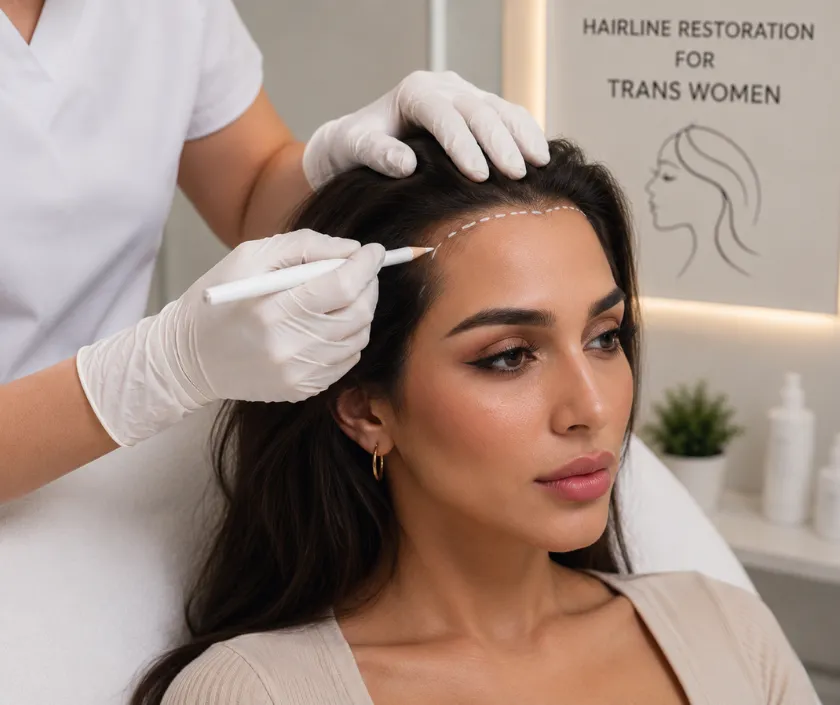 Hairline Restoration for Trans WomenHairline restoration for trans women softens an angular hairline into a rounder,...Read more
Still have questions?
Talk to our team in Surat. We explain your options clearly, answer every question, and never pressure you to decide.