Hormones & Health Education
A warm patient education guide on how HRT shapes the face and body, how surgery and hormones interact, weight care, and bone and skin changes during transition.
Key Takeaways
- HRT slowly reshapes soft tissue, so facial fat, skin texture, and body curves shift gradually over many months.
- Surgery and hormones interact, and your team may pause oestrogen briefly around certain procedures to lower clot risk.
- Weight tends to redistribute during transition, so steady habits matter more than strict dieting.
- Oestrogen affects bone health, and consistent monitoring helps keep bones strong over time.
- Skin often softens and becomes drier, so a simple daily routine makes a real difference.
- Hormone therapy here is guided and referral based, which means we coordinate with prescribing doctors rather than hand you a prescription.
Hormones touch almost every part of transition. At Elegance Transgender Clinic in Surat, Gujarat, clear information is what helps you feel settled and confident, so this guide answers the questions we hear most. Keep in mind that hormone therapy here is guided and referral based, and this page is educational rather than a prescription.
How does HRT change the face and body?
HRT slowly softens the face and reshapes the body by shifting fat distribution, easing skin texture, and adjusting muscle tone. These changes appear across many months, not overnight. Oestrogen based therapy tends to round the cheeks, soften the jawline, and move fat toward the hips and thighs.
The process is slow, so patience helps. In the first three to six months, many people notice softer skin and a fuller look around the cheeks. Body curves keep developing later, often over two years or more. Every body responds in its own way, and timelines vary from person to person.
Some features respond strongly to hormones, while others barely change. Bone structure that formed during puberty stays the same, so the underlying jaw or brow shape will not shift on hormones alone. Some people choose facial procedures later to complement the softening that HRT brings, and we discuss those options so you can plan at your own pace.
Fat redistribution: the gradual movement of body fat from one area to another, such as from the waist toward the hips, driven by changing hormone levels.
Hair and skin often shift alongside body shape. Facial and body hair may grow more slowly and feel finer, though hormones rarely remove hair completely. Many people in Surat pair HRT with other treatments for the result they want, and we can walk you through where hormones do well and where extra help makes sense.
Emotions and energy can change during this time as well. Many people describe softer moods, calmer days, and a different sense of self, while others notice small things feel more vivid than before. These shifts are normal, so track how you feel and share it openly during your visits.
Breast tissue usually starts developing early and grows slowly over several years. Tenderness or small buds may appear at first, which is expected and rarely a worry. Growth varies widely, so comparing yourself to others can feel discouraging. Your pace is your own, and steady change is still real change.
Surgery and HRT, how do timing and interactions work?
Surgery and HRT interact mainly through blood clot risk, so your care team may pause oestrogen for a short window around certain operations. Hormones usually restart once you are moving well and healing safely. This timing protects you without undoing your progress.
Oestrogen can slightly raise the chance of clots, especially during the still period after surgery. Surgeons often recommend stopping oestrogen one to several weeks before a major procedure, depending on your health and the operation. Your prescribing doctor stays involved throughout, since hormone therapy here is referral based and coordinated with your wider team.
Not every procedure needs a hormone pause. Minor treatments may need no change at all, while longer operations with extended bed rest carry more risk and call for closer planning. We weigh the benefits and risks together and explain the reasoning, so nothing feels sudden or unclear.
Good pre op preparation makes recovery smoother. We review your medication, your general health, and your support at home before scheduling, and we share clear after care steps, because healing well matters as much as the surgery itself. For more on coordinated care, see our transition support page and our pre op hormone preparation page.
Communication between everyone involved keeps you safe. Before any procedure, we talk with your prescribing doctor so hormone timing fits both your transition goals and your recovery. We also explain what to expect on the day, during the pause, and once therapy resumes, because surprises cause stress and predictable steps do not. Our post op hormone support page covers the restart.
Smoking and a few other factors can raise clot risk further, so honesty about your habits helps. If you smoke, we may suggest cutting back well before surgery. Staying gently active during recovery, once your surgeon allows it, supports healthy circulation. These small steps, taken together, protect both your safety and your long term results.
How do you manage weight during hormonal transition?
You manage weight during transition through steady habits rather than strict diets, because hormones naturally shift where your body stores fat. Oestrogen often moves fat toward the hips and thighs, so the scale may move while your shape also changes. Consistency works better than quick fixes.
Many people notice appetite and energy changes early in hormone therapy. Regular meals with protein, vegetables, and whole grains keep energy stable. Drinking enough water supports digestion and skin, which matters in the warm Surat climate. Small daily choices add up far more than occasional big efforts.
Movement helps too, and it need not be intense. Brisk walking, swimming, or light strength work supports muscle tone and mood. Good sleep keeps hunger signals balanced, so rest is part of healthy weight care. We encourage habits you can actually keep, since lasting routines beat short bursts of strict effort.
- Eat regular balanced meals instead of skipping and then overeating.
- Stay hydrated, particularly during hot Gujarat afternoons.
- Move most days in ways you genuinely enjoy.
- Protect your sleep, because rest steadies appetite and energy.
Focus on how clothes fit and how you feel, rather than only the scale. As fat moves toward new areas, the number may stay steady while your silhouette softens and rounds. Measuring progress by comfort and confidence is often more honest, and photos taken months apart show changes that day to day glances miss.
If weight changes feel confusing or distressing, please reach out. We listen without judgement, and we can connect you with supportive resources. The goal is health and comfort in your body, not a single number.
What bone and skin changes happen on oestrogen therapy?
On oestrogen therapy, skin usually softens and becomes drier, while bones rely on steady hormone levels to stay strong. Oestrogen supports bone density, so consistent therapy and monitoring protect long term bone health. Your skin barrier shifts at the same time, which calls for a little daily care.
Skin often feels smoother and more sensitive within months. Oil production drops, so dryness and mild irritation can appear, especially in dry weather. A simple routine of a gentle cleanser, a fragrance free moisturiser, and daily sunscreen makes a clear difference. Sun protection matters all year in Surat, not only in summer. Our skin rejuvenation page covers options if you want more.
Bone health deserves quiet, ongoing attention. Steady hormone levels help maintain density, so gaps in therapy can work against you over time. Your prescribing doctor may suggest periodic checks, along with enough calcium, vitamin D, and weight bearing movement. These habits support strong bones for decades, not just months.
Daily sunlight and good food make a difference here too. Surat sees plenty of sun, so short, sensible time outdoors supports vitamin D, while a balanced plate supplies calcium through dairy, leafy greens, and similar foods. Walking or light resistance work gently strengthens bone. Small, regular choices add up across the years.
Skin care can stay refreshingly simple. After cleansing, apply a light moisturiser while skin is slightly damp, since this locks in moisture, then finish with sunscreen during the day. If irritation or unusual changes appear, please tell us, because early attention keeps small concerns small.
For deeper clinical detail, the WPATH standards of care offer trusted, evidence based guidance. We follow these principles while tailoring support to you. Your body, history, and goals are unique, so your plan should be too. Our HRT referrals and monitoring page explains how that coordination works.
If you are in Surat or nearby and want unhurried guidance on hormones and health, we would be glad to talk. Reach out through our contact page to arrange a private consultation with Dr. Ashutosh Shah, and together we can map a path that feels safe, clear, and truly yours.
Procedures mentioned in this guide
Pre Op Hormone PreparationPre op hormone preparation helps you get ready for surgery safely. Discover cari...Read more
 Post Op Hormone SupportPost op hormone support helps you heal and restart hormones safely after surgery...Read more
 HRT Referrals and MonitoringHRT monitoring and referrals keep your hormone journey safe and steady. Discover...Read more
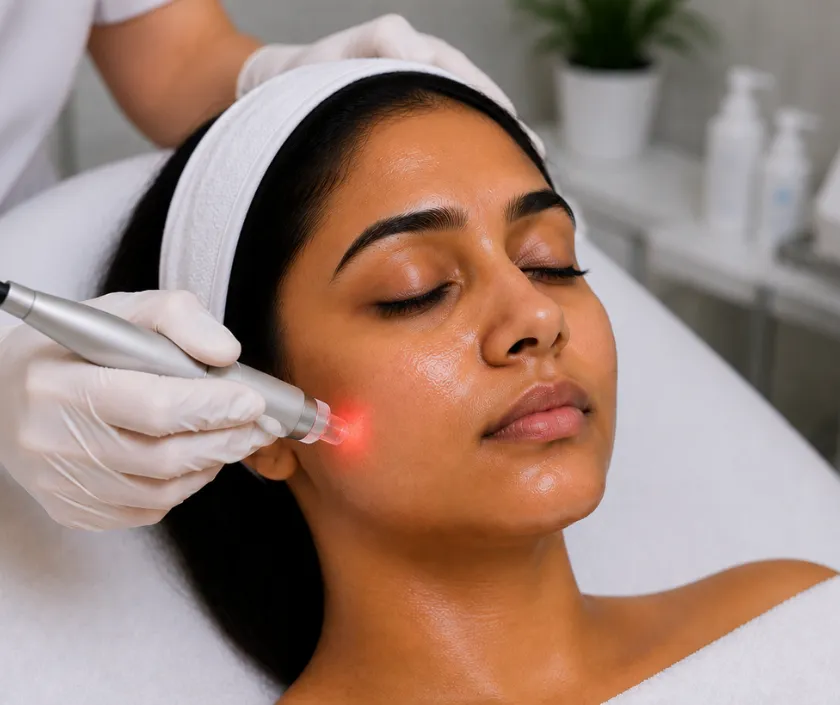 Skin RejuvenationSkin rejuvenation refreshes dull, tired skin and restores a youthful glow withou...Read more
Still have questions?
Talk to our team in Surat. We explain your options clearly, answer every question, and never pressure you to decide.