Mandibular Angle Reduction
Mandibular angle reduction softens a sharp, flaring jaw corner for a smoother feminine line. Learn the technique, recovery, and results at our Surat centre.
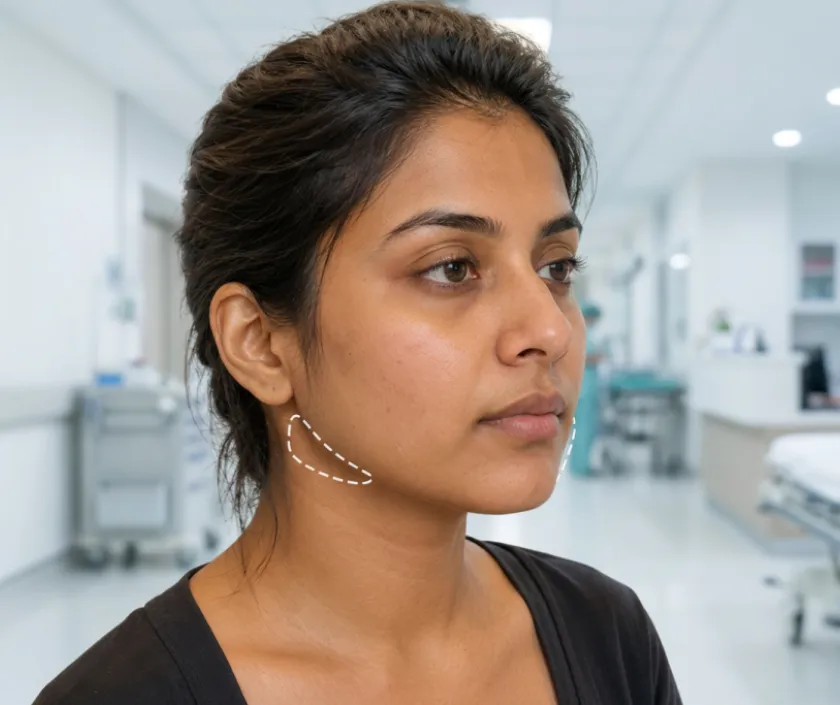
The corner of the jaw, near the ear, decides how strong and square the lower face looks. When this angle flares outward or sits very sharp, the face reads as masculine, even from across a room. That bony corner can be reshaped into a gentler, more feminine line. At Elegance Transgender Clinic in Surat, mandibular angle reduction is a sought after procedure, since it softens the jaw while keeping the result natural and balanced.
Below, Dr. Ashutosh Shah explains how mandibular angle reduction works, who it suits, and what to expect along the way. I have kept the language plain so you can weigh your options calmly.
Key Takeaways
- Mandibular angle reduction softens a sharp or flaring jaw corner for a smoother, feminine line.
- Surgeons trim the bony angle and may shave the outer surface for extra slimming.
- The procedure is a core part of facial feminization and pairs well with chin reshaping.
- Results are long lasting, because reshaped bone keeps its new, softer form.
- Cost depends on your anatomy and the technique chosen, so a personal assessment is essential.
- Surat patients value the surgical skill, privacy, and attentive aftercare at Elegance Transgender Clinic.
Mandibular angle reduction: a procedure that trims and reshapes the bony corner of the jaw near the ear for a softer line.
What is mandibular angle reduction?
Mandibular angle reduction reshapes the rear corner of the lower jaw, so the face looks softer and less square. The mandibular angle is the bony bend near each ear, where the jaw turns upward. Trimming and smoothing this corner trades the boxy outline for a gentler curve.
I work through the inside of the mouth, so nothing shows on your face. The flaring angle is cut away along a curved line, and the outer bone may be shaved for added slimming. The lower jaw carries important nerves, which is why precise imaging and planning come first. I shape both sides to match, so the result stays symmetrical.
What are the benefits of jaw angle reduction?
Jaw angle reduction softens one of the strongest gender markers on the lower face, the squared corner, so the jaw reads gentler. After healing, the face looks slimmer and less angular from the front and in profile. Many patients describe real relief at seeing a reflection that finally fits them.
The practical gains last for years. Here is what patients notice most:
- A softer jaw corner that flows smoothly toward the chin.
- A less square, more oval face shape from the front.
- Better harmony between the jaw, cheeks, and neck.
- Long lasting change, since reshaped bone keeps its new form.
To see how this fits with other procedures, explore our full facial feminization and transformation options.
Who is a good candidate for jaw feminization?
A good candidate has a sharp, flaring, or squared jaw angle, stable general health, and realistic goals. Most trans women and gender diverse people qualify, especially those who feel their jaw corner makes the face look boxy. A short consultation confirms whether jaw feminization will genuinely help.
At that meeting I review your medical history, your hormone timeline, and what you hope to see. I also study the bone with scans, since the right plan hinges on the angle and the bone thickness. Candidates tend to share a few things:
- A prominent or flaring jaw corner that bothers them daily.
- No untreated health issues that make surgery unsafe.
- Patience for the natural healing timeline.
- A clear, steady wish to soften the lower face.
We assess readiness against the WPATH standards of care, thoughtfully and with respect. Our wider transition support services sit alongside the surgical side for anyone who wants both.
Which techniques are used in flaring jaw surgery?
Two main approaches exist, and the choice turns on why the corner looks heavy. A sharp, flaring angle calls for trimming the bony corner. A thick jaw also calls for shaving the outer surface. I pick the method only after studying your scans and your face in person.
Angle trimming for a sharp, flaring corner
When the corner flares outward or sits very sharp, I remove a curved piece of that angle so the new corner blends into the rest of the jaw line. Cutting a gentle curve rather than a straight edge avoids a visible step and keeps the result natural. This suits people whose angle is the main concern.
Outer cortex shaving for added width
A jaw that also looks bulky from the front needs more than an angle trim. Here I shave the outer layer of bone along the jaw to slim the width directly. It sounds delicate, yet it is a well established part of jaw feminization. Angle trimming and gentle shaving together give the smoothest, softest line.
You can dig into the wider procedure on our blog.
What can you expect on the day?
You arrive at our Surat centre and meet the team for final checks. The surgery runs under general anaesthesia, so you feel nothing and stay comfortable. Every incision sits inside the mouth, which keeps your skin free of visible scars. Most angle procedures take a few hours, depending on the plan.
Once the bone is reshaped, I close the incisions neatly and apply a supportive dressing or band. You then rest in recovery while the team keeps watch. Many patients stay one night so we can manage early swelling and keep them comfortable.
What results are realistic?
Realistic results mean a softer, smoother jaw corner that looks like it was always yours, not a carved or dramatic shape. The lower face becomes less square, the profile gentler, the whole face more balanced. Bone does not regrow, so the new shape stays put once swelling fades.
Every face is different, and outcomes vary with bone structure, soft tissue, and skin. I share honest before and after expectations, never inflated promises. The final contour appears slowly, as deeper swelling drains over several months.
What is recovery like?
Recovery is usually steadier than people fear, with most swelling easing within three to four weeks. Early on you may feel tightness, numbness, or stiffness around the jaw, all of which soften with time. A soft or liquid diet helps in the first days while healing carries on quietly underneath.
Here is a simple guide to the early phase:
- Keep your head raised, especially while sleeping, to limit swelling.
- Stick to soft or liquid foods until chewing feels comfortable.
- Rinse gently as advised to keep the mouth clean.
- Attend every follow up so we can track your healing.
Jaw work pairs naturally with upper face procedures, all listed under facial transformation.
How much does mandibular angle reduction cost?
No single fixed price exists, since the cost tracks your anatomy and the technique you need. Trimming a sharp angle is not the same as angle reduction combined with outer shaving and chin work. An accurate quote follows a proper assessment, where I examine the bone and we talk through your goals openly.
At consultation I spell out exactly what your plan covers, with no hidden surprises. The final figure depends on how prominent the angle is, whether the chin or jaw width is reshaped too, and the anaesthesia and care involved. You always get a clear, written breakdown before you commit. You can book an appointment whenever you are ready to begin.
Common myths about jaw angle reduction
Plenty of worries circle this procedure, and most simply do not hold up. Clearing them away helps you choose from a place of confidence. Here are the ones I hear most, with the honest reality:
- Myth: the jaw becomes weak afterward. In truth, the bone stays strong while looking softer.
- Myth: there will be scars on the face. Actually, the incisions sit hidden inside the mouth.
- Myth: the angle grows back sharp again. In reality, reshaped bone keeps its new, gentle form.
- Myth: the result looks carved. When planned well, the curve looks soft and entirely real.
Aftercare that protects your result
Good aftercare is what turns a precise surgery into a lasting outcome. We guide you through every step so you never feel left on your own. The first weeks matter most, because that is when tissue and bone settle into place.
Practical aftercare means keeping the mouth clean, taking prescribed medicines on time, and protecting the jaw from knocks. Soft foods and proper rest speed your body along. Any question that comes up reaches our Surat team quickly, and we answer it kindly.
Why patients choose Elegance Transgender Clinic
People come to our Adajan and Vesu centres for safety, skill, and genuine understanding in one place. Dr. Ashutosh Shah brings more than twenty two years of plastic surgery experience to every jaw he reshapes. Just as important, the whole team treats each patient with discretion and complete privacy.
Elegance Transgender Clinic is a full transgender surgical and aesthetic transformation centre, so we plan your jaw angle as part of the bigger picture, not in isolation. Your jaw, chin, and cheeks are designed to work together. Patients often tell us this joined up approach is exactly what put their mind at ease.
Ready to soften your jaw angle?
If a sharp or flaring jaw corner has weighed on your confidence, real help is close by. I would like to listen, study your face, and lay out your options with no pressure attached. Please book a private consultation in Surat and let us take this one careful step at a time.
More Jaw, Chin & Lower Face care
 Jaw Reduction & V Line SurgeryJaw reduction surgery slims a wide or square jaw into a softer V line shape. Lea...Read more
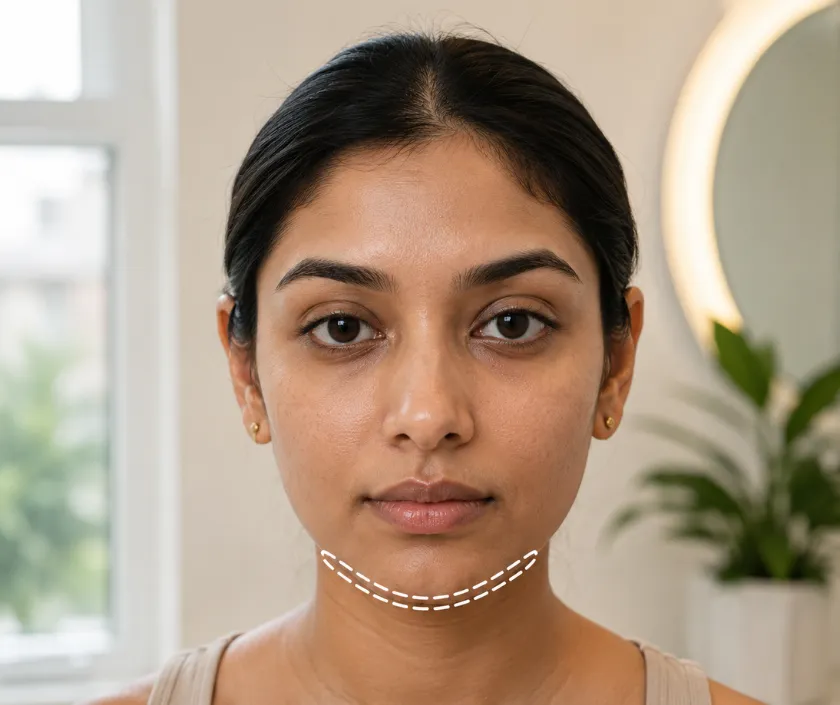 Chin Recontouring (Sliding Genioplasty)Chin recontouring through sliding genioplasty reshapes a long or wide chin into...Read more
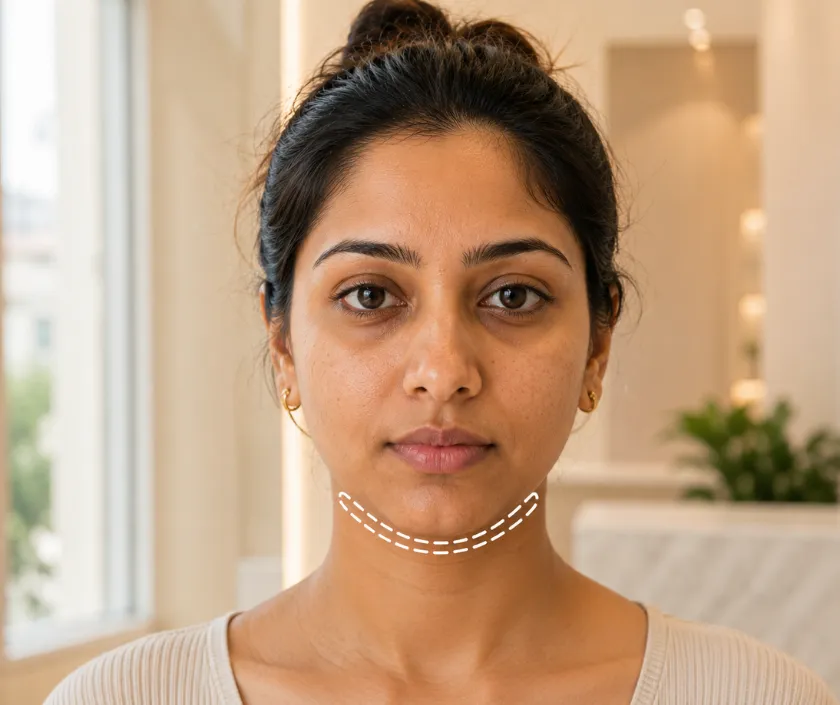 Chin ReductionChin reduction surgery shortens or slims an oversized chin for a softer, more fe...Read more
Ready when you are
Talk to our team in Surat about mandibular angle reduction. We listen first, explain your options clearly, and never pressure you to decide.