Skin Changes on HRT
Hormone therapy reshapes the skin in many ways, from new dryness to breakouts. Learn what happens, who notices it, and how Elegance Transgender Clinic in Surat keeps your skin calm and healthy.
Key Takeaways
- Hormone therapy changes the skin, often making it drier, thinner, or more reactive.
- Because oil production shifts, some people see fewer breakouts while others see new acne.
- Gentle, well planned skin care and clinic treatments can keep skin calm, clear, and healthy.
- At Elegance Transgender Clinic in Surat, skin plans are matched to your skin type and your stage of HRT.
- Most people reach smoother, more balanced skin with the right routine and support.
- Daily sun protection is one of the simplest and most powerful habits you can build.
What is it?
Skin changes on HRT are the shifts that show up as hormone levels move during transition. For trans women, oestrogen tends to cut oil, soften texture, and thin the skin a little. Skin that used to run oily may start to feel drier, tighter, or more sensitive than it once did.
These shifts are normal and usually slow. They can still catch people off guard, especially when a routine they trusted for years suddenly stops working. Most trans women end up reworking their skin care as the body changes.
It helps to picture the skin as a barrier, with hormones steering how well that barrier holds moisture. Less oil means the barrier can feel weaker and more reactive for a while. That is the reason supportive care tends to beat harsh, stripping products by a wide margin.
Sebum: the natural oil the skin produces, which often decreases on oestrogen and increases on testosterone, changing how the skin feels and behaves.
Who is affected?
Nearly everyone on hormone therapy notices some change in their skin. The exact effect tracks the hormones involved, the dose, and individual skin type. Trans women commonly land on drier, more sensitive skin, while some run into temporary breakouts as levels settle.
A few things shape how it plays out: the stage of HRT, age, climate, and any existing skin conditions. The warm, often humid weather in Surat and across Gujarat adds its own demands, since heat and sun change how skin behaves day to day.
- Newly drier skin may feel tight, flaky, or prone to fine lines.
- Some people see new acne during the early months of hormone change.
- Sun exposure can worsen pigmentation, especially on thinner skin.
- Those with sensitive skin may react more to weather, products, or stress.
Clear, healthy skin does more than feel comfortable. It props up confidence during a meaningful stretch of life. Many trans women come to us for help keeping skin balanced as the body shifts, and it often fits alongside our wider aesthetic non surgical work. Feeling at home in your own skin is a quiet but real part of transition.
Why does my familiar routine stop working?
This puzzles a lot of people, though the reason is simple. As oestrogen lowers oil and softens the skin, products built for oily skin start to feel too harsh. A routine that served you well for years can now leave the skin tight or irritated.
The fix is usually a move toward gentler, more hydrating care that supports the changing barrier. Skin keeps adjusting for a while, so the routine may want small tweaks over the months. Listening to how your skin actually feels, rather than running on old habits, makes a real difference.
How Elegance Transgender Clinic treats it
We begin with an unhurried skin assessment. Dr. Ashutosh Shah reads your skin type, your current routine, and how HRT is hitting you. From there he suggests a calm, simple plan that supports your skin instead of piling on.
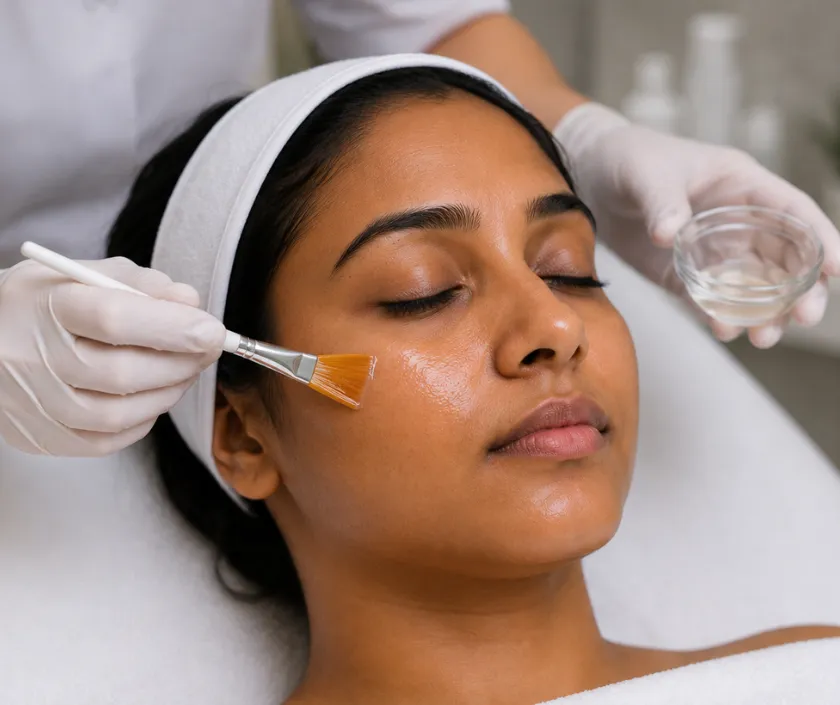
For dryness, we lean on hydration, barrier repair, and gentle non surgical treatments such as skin rejuvenation. For breakouts or uneven texture, carefully chosen chemical peels can clear and refresh. Our conditions we treat page shows how this connects with related concerns whenever it suits you.
Indian skin tones call for thoughtful care, so we pick treatments and strengths that keep the risk of marks or irritation low. We also pair clinic care with plain home habits, daily sun protection and gentle cleansing chief among them.
Skin care should feel manageable, not like a second job. We keep routines short and clear, so they slot into a busy day. A few steady habits usually do more good than a long, fiddly regimen. Our patient education pages are there if you want to read further.
What a typical plan looks like
- A skin assessment that considers your skin type and HRT stage.
- A simple home routine built around gentle cleansing, moisture, and sun care.
- Tailored clinic treatments such as peels or rejuvenation when helpful.
- Reviews over time so the plan adapts as your skin settles.
For neutral background on skin care and common skin concerns, this NHS guidance can help you understand your skin better.
Simple daily habits that help
Small, steady habits protect your skin between visits. A gentle cleanser, a good moisturiser, and daily sunscreen form a reliable base. The Surat sun runs intense, so sun protection earns special attention all year round.
Lifestyle plays a quiet part beyond products. Staying hydrated, sleeping well, and easing stress all support calmer skin. Stacked together, these habits let your routine and any clinic treatments do their best work.
Common skin concerns we help with
Skin changes on HRT turn up in many forms, and each has a measured solution. Dryness and flaking respond well to hydration and barrier support. Uneven texture or dullness can lift with carefully chosen rejuvenation treatments.
Pigmentation and acne marks worry plenty of people, especially on darker skin. For those we choose treatments and strengths with extra care, since the aim is clearer skin without trading it for new marks. Every concern is a little different, so we tailor each plan rather than reach for a one size fits all answer. We keep treatments measured and build them up slowly, so your skin adjusts in step rather than getting overwhelmed.
Expected outcomes
With a steady plan, most trans women find their skin grows calmer, smoother, and more balanced. Dryness eases, breakouts settle, and texture improves over the weeks. Daily skin care starts to feel simpler and more rewarding.
Results track skin type, climate, and how consistent you are, so we keep expectations realistic. Skin can keep shifting during HRT for a while, which means plans get adjusted over time. Even so, most people land on healthier, more comfortable skin with ongoing care. In a warm climate like Surat, daily protection and steady habits show their worth across the seasons, and the skin starts to feel more settled and predictable.
If your skin feels unpredictable on HRT, you do not have to manage it alone. Come in for a private consultation in Surat, where we will listen and plan care that fits your skin. Book an appointment or contact our Surat team whenever you feel ready.
How we treat skin changes on hrt
Chemical PeelsChemical peels gently remove dull skin and reveal a brighter, smoother, more eve...Read more
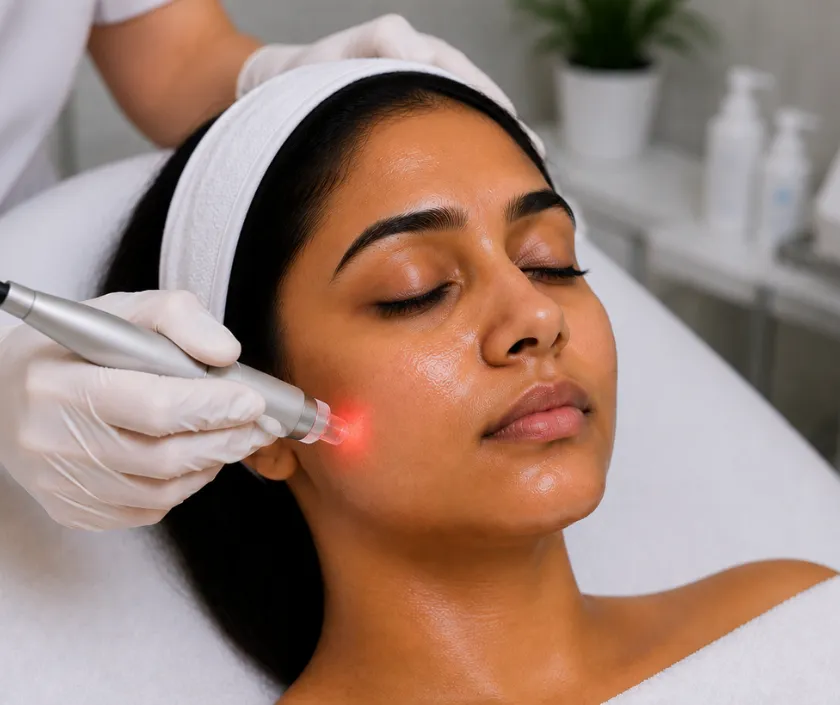 Skin RejuvenationSkin rejuvenation refreshes dull, tired skin and restores a youthful glow withou...Read more
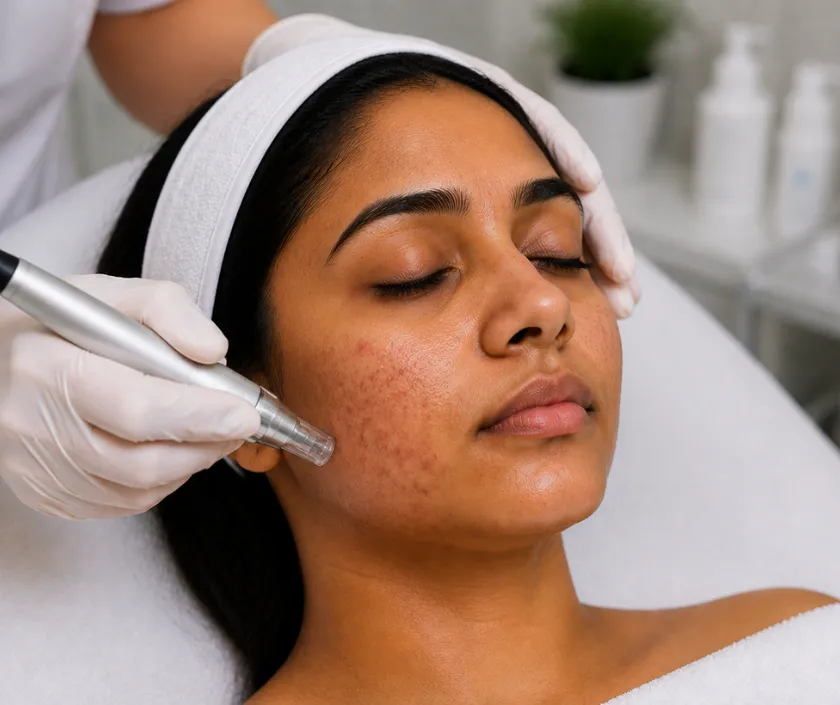 Acne and Scar TreatmentAcne and scar treatment calms breakouts and softens marks for smoother, clearer...Read more
Ready when you are
Talk to our team in Surat about skin changes on hrt. We listen first, explain your options clearly, and never pressure you to decide.