Masculine Nose
A larger or more angular nose can stand out as a masculine feature for trans women. Learn what shapes it, who it affects, and how Elegance Transgender Clinic in Surat softens the nose for a feminine balance.
Key Takeaways
- A masculine nose often shows as a larger bridge, a bump, or a wider, more angular tip.
- Because the nose sits at the centre of the face, its shape strongly affects how feminine the face reads.
- Feminising rhinoplasty can soften the bridge, refine the tip, and bring gentler, balanced lines.
- At Elegance Transgender Clinic in Surat, the plan is matched to your face, your wishes, and your comfort.
- Most people gain a softer, more harmonious nose that suits the rest of their features.
- Because swelling settles slowly, the final shape emerges gently over many months.
What is it?
A masculine nose is shorthand for the nasal features that develop during male puberty: a higher bridge, a visible bump, a wider or more projected tip. Testosterone shapes the underlying bone and cartilage, and the nose tends to grow larger and more angular as it does. Many trans women feel it pulls attention away from their softer features.
The nose holds the centre of the face, so its lines steer the overall balance. Small angular details can read as masculine. Gentler curves read as feminine. Refine the nose and you shift how the whole face is seen.
Femininity in the nose is about harmony, not size on its own. The eye reads the nose against the eyes, lips, and chin, so even modest refinements can soften everything around them. That is why careful, proportional planning beats dramatic change every time.
Dorsal hump: the bump along the bridge of the nose, which is a common masculine feature that feminising rhinoplasty can smooth.
Who is affected?
Plenty of trans women feel their nose reads too strong for the face they want. The exact worry differs from person to person, since no two faces match. One dislikes a bridge bump. Another zeroes in on a wide or downturned tip.
Hormone therapy will not change the nose. Oestrogen softens skin and shifts facial fat, but it cannot touch bone or cartilage. The nasal structure stays as it is, which is why surgery is the route to a softer shape.
- People with a prominent bridge bump often notice it most in profile.
- Those with a wide or projecting tip may feel the nose dominates the face.
- Many seek nasal refinement as part of broader facial feminisation.
- Anyone who avoids side on photos may feel this concern keenly.
The nose carries a lot of weight in how confident people feel in photos and day to day. Many trans women in Surat look into feminising rhinoplasty to bring the face into softer balance, and it often fits within wider facial transformation plans. Feeling settled in your own reflection counts for a great deal.
Why does the nose not change with hormones?
This comes up in nearly every consultation, and it is worth being clear about. Hormone therapy softens skin and redistributes facial fat, which can subtly alter the cheeks and the general fullness of the face. The nose, though, is bone and cartilage, and neither answers to hormones.
With the framework fixed, the nasal shape set during puberty stays put. Surgery is the only reliable way to soften a masculine nose. Knowing that early lets people plan with confidence instead of waiting on a change that never arrives.
How Elegance Transgender Clinic treats it
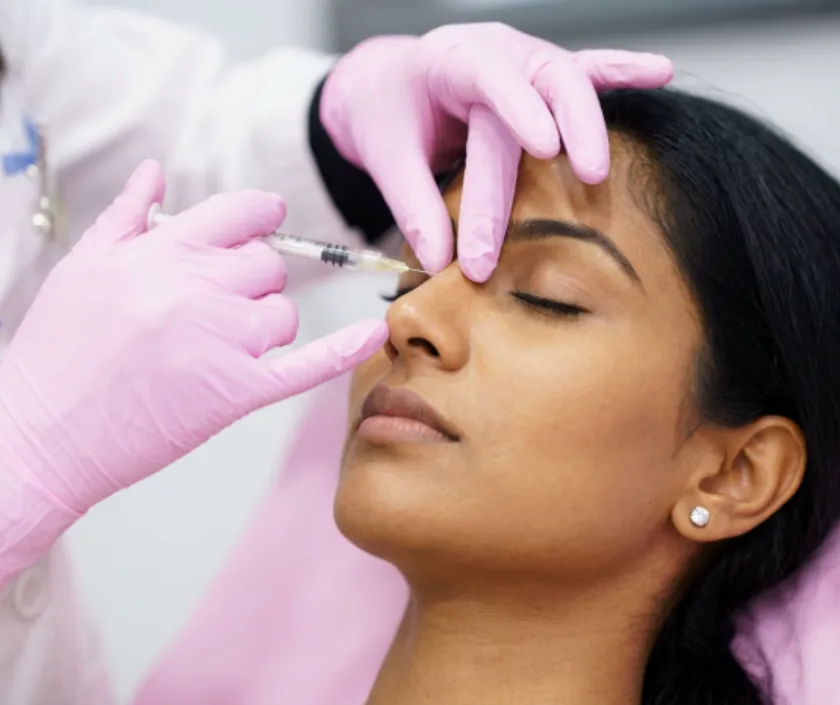
We open with an unhurried consultation. Dr. Ashutosh Shah reads your nose against the whole face, then talks through which refinements suit you. Together you look at the bridge, the tip, the width, and how each adjustment moves the balance.
Feminising rhinoplasty can smooth a bridge bump, narrow a wide bridge, refine the tip, and adjust the angle between nose and lip. Our conditions we treat page shows how this connects with other facial concerns. Dr. Shah brings M.Ch. plastic surgery training, and the aim throughout stays on natural, harmonious results.
No two noses are alike, so we skip the template. We plan around your skin, your bone structure, and your goals. The airway stays in view as we go, so the nose looks softer and still breathes well.
Trust matters as much as technique, so we take time over every question. At the consultation we talk through what is realistic for your face and what each refinement actually involves. That honest conversation tends to settle people long before any surgery is on the calendar. Our patient education pages are there for further reading.
What a typical plan looks like
- A detailed consultation with assessment of the bridge, tip, and balance.
- A tailored surgical plan focused on gentle, feminine lines.
- Careful surgery that respects both appearance and breathing.
- Guided recovery with reviews as swelling settles and shape refines.
For neutral background on nose surgery and recovery, this NHS guidance can help you prepare thoughtful questions for your visit.
What recovery feels like
Recovery after rhinoplasty is steady rather than dramatic. The first week brings swelling, bruising, and congestion, so rest pays off. The bruising fades over the following days, and most people feel ready for gentle routines within a couple of weeks.
The final shape takes its time, since the deep swelling settles slowly. The tip in particular keeps refining over many months. We review you along the way, so you watch the result come in with support rather than guesswork.
How the nose shapes the whole face
It is tempting to fixate on the nose alone, but the face works as a unit. Soften the nose and the eyes, cheeks, and lips often seem to step forward more gently. A refined nose can make the whole face read calmer and more feminine.
That is why we plan in proportion rather than in isolation. Narrowing a very wide bridge can balance the eyes. Refining the tip can soften the smile. Keeping the whole face in view is what makes the result feel harmonious instead of worked on.
Expected outcomes
Once healing is done, most trans women see a softer bridge, a refined tip, and lines that suit the rest of the face. The nose settles into the picture rather than standing out, and the face reads gentler overall. Many people feel more at ease in photos and in everyday moments.
Results take time, since swelling clears gradually over months. We keep expectations honest and explain how the final shape comes in slowly. Even so, most people end up with a balanced, natural result that feels true to them.
If a masculine nose is wearing on your confidence, you deserve a calm space to weigh your options. Come in for a private consultation in Surat, where we will listen and plan a softer shape that fits you. Book an appointment or reach out to our Surat team whenever you feel ready.
How we treat masculine nose
Ready when you are
Talk to our team in Surat about masculine nose. We listen first, explain your options clearly, and never pressure you to decide.